Perth to Hobart furniture removals: prepare for the sea crossing and delivery
“The furniture has reached Tasmania” is good news, but it isn’t the same as “the delivery team will be at your door this afternoon”. A useful moving plan connects the freight stages with your packing, paperwork, keys and receiving arrangements.
Use this guide to prepare the goods and ask the right questions before collection. For service options, costs and an enquiry, see our Perth to Hobart removalists page.
Ask what happens between the two front doors
Before choosing a Perth to Hobart furniture transport option, ask the office to explain collection, mainland transport, the sea crossing and final delivery. Clarify whether the goods remain in one container or transport unit, whether any transfer is planned and who provides updates. You do not need to organise the freight yourself, but you should understand the arrangement you are accepting.
A container service can involve different loading locations and responsibilities. It does not automatically include placing a container on your driveway, giving you several days to load it or delivering it intact to the Hobart property. Ask which of those features, if any, form part of the proposed service.
| Milestone | The question to ask |
|---|---|
| Ready for collection in Perth | When must packing, cleaning, dismantling and the final inventory be complete? |
| Ready for the booked freight movement | Are preparation, paperwork and any collection cut-off settled, and what is still provisional? |
| Arrival in Tasmania | How will arrival and any required release steps be communicated? |
| Delivery into the Hobart home | What receiving window can be agreed, and who confirms the final appointment? |
Biosecurity Tasmania’s removalist declaration notes Devonport and Burnie as the arrival ports for containerised personal effects. Confirm the actual port and onward delivery for your booking; do not treat port arrival as a Hobart house-delivery appointment.
Read our container removals information when comparing arrangements. If you will do the loading, the self-pack access and loading checklist helps you clarify placement, equipment, materials and responsibilities.
Check Tasmania’s entry requirements before closing the cartons
Give yourself time to check the shed and outdoor belongings as well as the furniture inside. Cleaning, permission to bring an item and completing the declaration are separate tasks. An item looking clean does not settle every entry condition.
Use the current personal-effects declaration
The official forms page provides separate versions for self-moves and goods carried by a removalist. Use the version matching your arrangement. The removalist declaration (PDF) has sections for the carrier and the owner and directs the removalist to email the completed form at least 24 hours before the goods arrive. Complete your part accurately, agree the handoff with the office and check the latest instructions before collection.
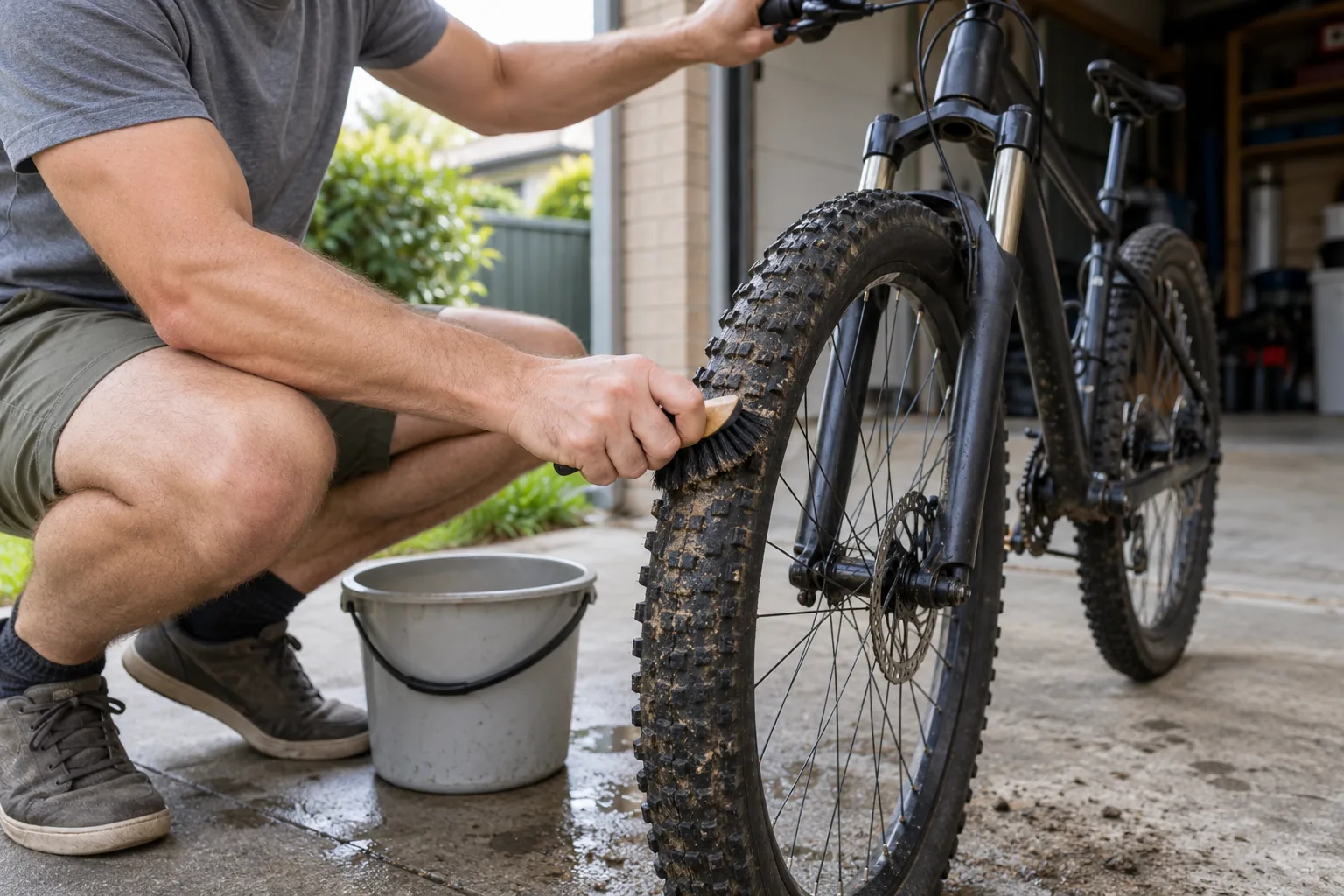
Check the items that have been outdoors
Biosecurity Tasmania’s household and recreational equipment guidance requires relevant goods to be free of soil, seeds, plant material and other contamination. It identifies cleaning requirements for household items and outdoor equipment and notes that inspection may be requested.
- Bikes, tools and outdoor furniture: inspect tyres, feet, joints and undersides where debris can remain after a quick wipe.
- Camping, hiking and sports gear: open bags, check pockets and look over soles, pegs and folds before packing.
- Appliances: empty and clean them, then follow the manufacturer’s draining, drying and transport instructions.
Let washed belongings dry before wrapping them. Keep items awaiting advice identifiable on the inventory, and tell the office where they are packed if an inspection needs to be arranged.
Give WA timber items an early check
The official timber entry guidance includes furniture and identifies restrictions involving coniferous timber from Western Australia. Ask Biosecurity Tasmania about uncertain timber, bark craft or wooden outdoor items before committing them to the load. Supply photos and whatever you know about the material and origin; do not guess the timber species or assume a clean surface settles eligibility.
Also check the IRCO terms and conditions. Plants are not accepted on interstate removals, and dangerous goods such as gas cylinders and fuel containers are excluded. Keep uncertain goods separate while you seek advice. An entry declaration does not establish carrier acceptance.
Protect the pieces you want to use again
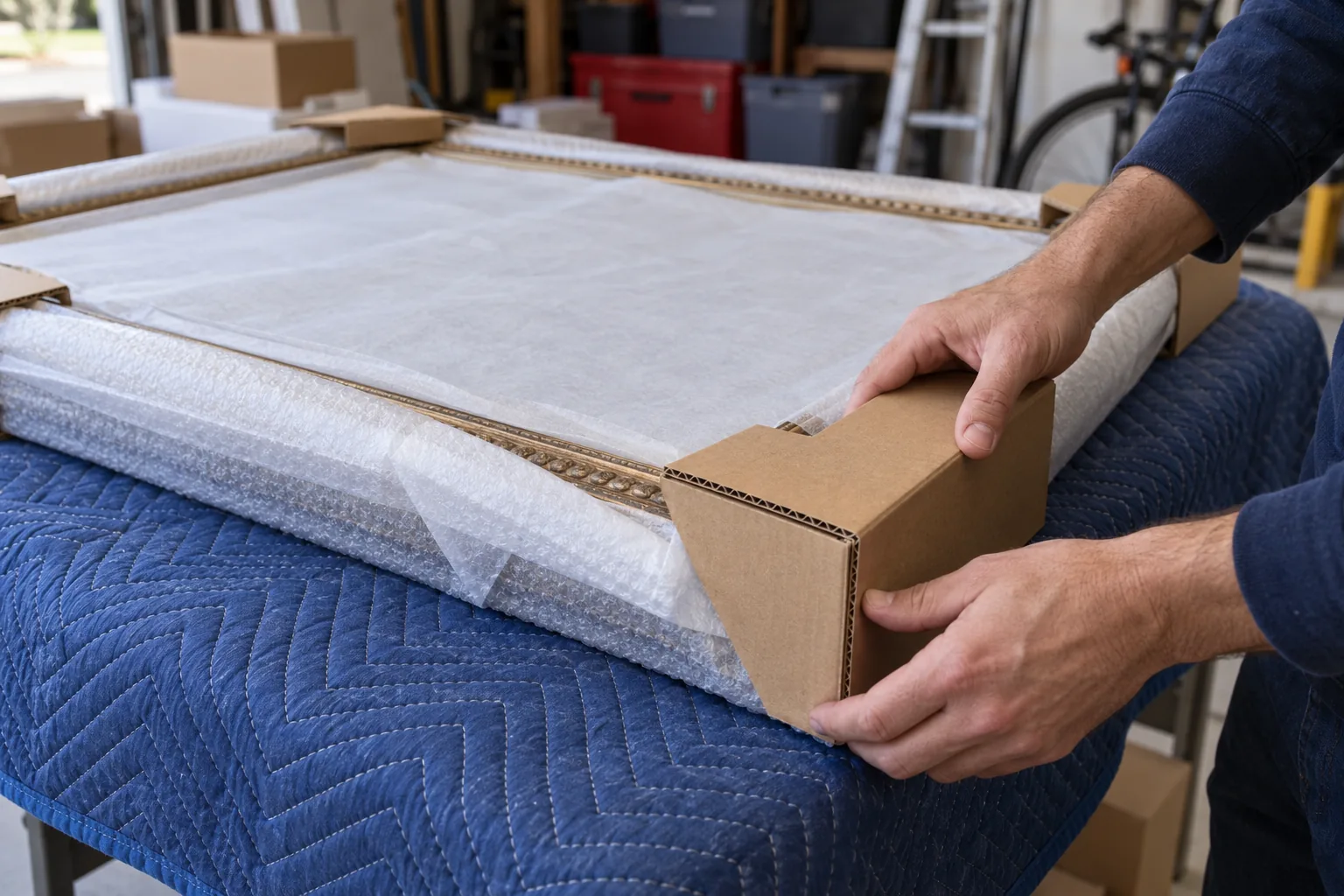
Start with the furniture’s condition and construction. Photograph existing marks, loose joints and delicate finishes. Tell the packing team about those details, and identify anything with removable shelves, legs or panels. Keep fixings in labelled bags with a clear record of the matching item.
Ask for packing suited to the piece and the transport arrangement. Blankets, covers and rigid protection do different jobs; a soft cover alone may not support a screen or glass panel. Our TV and mirror preparation guide helps you describe items without their original packaging.
For a bed, bookcase or flat-pack wardrobe, check the manufacturer’s instructions before dismantling it. The flat-pack furniture guide covers questions to raise about taking a piece apart and putting it back together.
Write down who is doing the preparation
“Packing included” needs enough detail to be useful. Does it cover every cupboard, only the fragile items, the materials, or furniture preparation on collection day? Ask for the rooms and tasks to be listed, then allow time for the work you are keeping yourself.
| Task | Record before collection |
|---|---|
| Cartons and fragile contents | Who supplies materials, who packs each room and when the cartons will be ready. |
| Furniture and loose components | Which pieces need dismantling, who handles it, where fittings are kept and whether reassembly is included. |
| Whitegoods | Who organises disconnection, cleaning, drying and any manufacturer-required transit parts. |
| The last inventory update | The final item list and carton count, photos of unusual pieces and anything removed or added. |
Our partial-packing guide helps if you only want selected rooms packed. Use the whitegoods checklist for appliances and request any assembly help with the initial quote.
Keep documents, keys, medication, chargers and clothes with you. If you reach Tasmania before the furniture, you should still have what you need for your first days. Check any separate travel requirements for your own luggage or pets through Service Tasmania’s moving information.
Make the Hobart handover work at the property
Confirm that the person receiving the furniture has keys, permission to move in and time to attend the delivery. If a friend is helping, agree their authority with the office and give them the inventory and a simple room plan. Confirm payment and receipt requirements before the day.
Check the entrance route while you can still make arrangements. Send photographs of the stopping point, carrying path, steps, stair landings and tight turns, with measurements. A large sofa may fit the doorway but need more room to turn beyond it. For apartments, include lift dimensions, booking rules and permitted hours.
The Hobart delivery-access advice connects those details to the quote. At handover, use the collection inventory to check the pieces and cartons, record visible concerns and keep photographs with the paperwork. Ask how to report an issue found when cartons are opened later.
A planning example: the furniture reaches Tasmania before you get the keys
Suppose the freight is expected to arrive early in the week, but your Hobart tenancy starts on Friday. Give the office Friday as the earliest receiving date before booking. Ask whether the proposed transport arrangement can accommodate the gap, where any holding would occur and what later delivery costs.
If storage is needed, use our storage-between-homes guide. Include any access you need to stored items and confirm the process if the key date changes again.
Bring your furniture questions to IRCO
Tell us what you’re taking, what needs preparation and when the Hobart home can receive it. We can discuss the service scope and the details still needing confirmation.
Build your Perth to Hobart furniture move brief
Collect your inventory, preparation tasks and receiving details below. Leave uncertain fields blank; the summary will mark them “To confirm”. Check the result and copy it into your enquiry. This planning brief does not replace the official biosecurity declaration, submit an enquiry or reserve a service.
Perth to Hobart furniture moving questions
Does sea freight arrival mean delivery to Hobart that day?
No. Arrival is one stage of the move. Ask how any required release, onward transport and home delivery will be arranged. Confirm the receiving window with the office before booking a lift, arranging a friend to attend or relying on the furniture for your first night.
Which Tasmania declaration should I use for a removalist move?
Use the current removalist version on Biosecurity Tasmania’s forms page. Complete the owner’s section accurately and agree with the office when to supply it. Follow the official instructions; the planning brief on this page is not a substitute.
Can all timber furniture from Western Australia enter Tasmania?
Do not assume every timber item is eligible. Tasmania’s published guidance identifies restrictions affecting some WA timber. Contact Biosecurity Tasmania about uncertain pieces, providing photos and any known material and origin details, before including them in the booked load.
What outdoor items should I check before packing?
Look over bikes, garden tools, outdoor furniture, camping gear and footwear, including undersides, folds and tyres. Check the official entry requirements, remove contamination and let cleaned goods dry. Identify anything still awaiting advice so it is not accidentally sealed into the load.
Should I seal furniture in plastic for the sea crossing?
Ask about protection suited to the item and transport arrangement. Start with clean, dry belongings, and do not enclose damp fabric or appliances. A cover does not provide the same support as rigid packaging for glass or screens. Agree specialist packing before collection.
How do I know who is responsible for packing and loading?
Ask for the quote to list materials, room packing, furniture preparation, loading and unloading responsibilities. If you are self-packing, confirm where the work happens and when it must be finished. Include dismantling, reassembly and any additional handling you need.
What should the person receiving my furniture have ready?
They need authorised access, keys, the inventory, a room plan and time to attend delivery. Confirm payment and receipt arrangements with the office. Ask them to record visible concerns accurately and keep you informed about any discrepancy or access problem.
Does the furniture move brief save my details or book transport?
No. It builds a summary on this page for you to check and copy. It does not submit an enquiry, reserve transport or retain your details for a later visit. Keep your own copy and contact IRCO separately to discuss the service and dates.
Take the next step towards your Hobart move
Request a Perth to Hobart moving quote or call 0417 918 451. Return to the Perth to Hobart removal service for transport and cost questions, or browse the moving guides for help with individual household items.