Self-pack container removals: your loading checklist
Self-pack can give you more control over preparation, but it also gives you work to organise. The container has to fit both sites, the goods need protection and restraint, and loading help must be ready before the allotted period begins.
Use this IRCO self-pack container loading checklist to compare the complete move, plan access and materials, and settle responsibilities before choosing a container, household removal or backloading option.
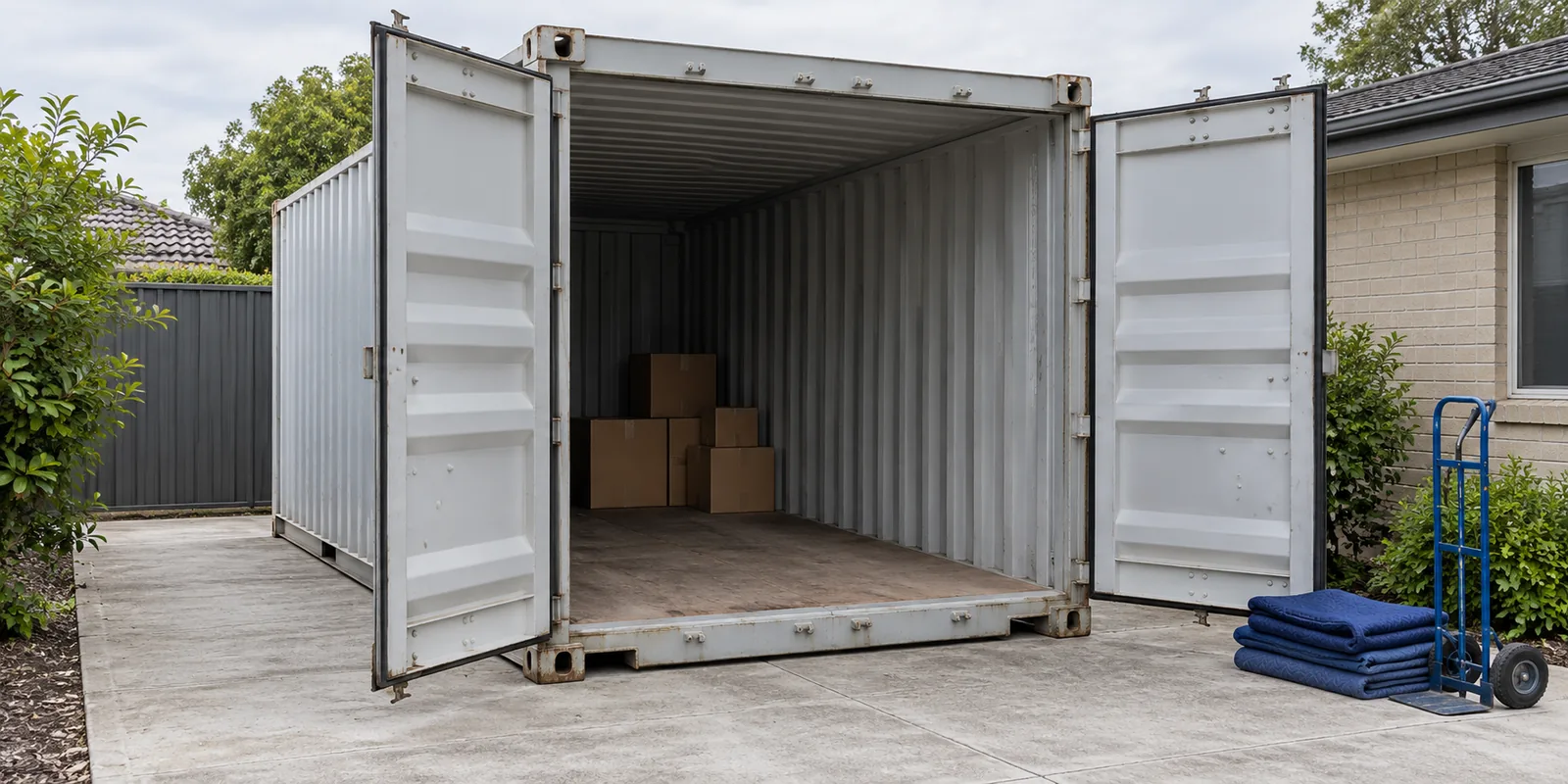
How a self-pack container move works
The usual sequence is placement or an agreed loading location, your preparation and loading period, collection, transport, destination placement, unloading and empty collection. Every stage needs a place in the quote. A depot arrangement can work differently from a unit placed at both homes.
| Task | Allocate before booking |
|---|---|
| Carton and furniture preparation | What you pack and what professional packing is requested. |
| Loading and securing | Who handles heavy goods, the load plan and the equipment-specific restraint method. |
| Container transport | Placement sites, vehicle access, collection and receiving windows. |
| Unloading and empty collection | Labour, time allowed, equipment returns and the cleared vehicle approach. |
Self-pack does not mean every heavy item is manageable without help. Identify a stone top, piano, appliance or awkward cabinet individually. Compare the IRCO container moving options with a household removal if access or the loading work makes self-pack unsuitable.
Check the transport vehicle's access as well as the container space
A spot large enough for a container may still be difficult for the delivery vehicle to reach. Photograph the approach, driveway, gate, turning space and proposed placement area. Provide measurements of the narrow points and mention slopes, soft surfaces, trees, overhead structures or other obstructions.
Ask for the access and placement requirements of the vehicle and equipment being offered. The operator needs room to position the vehicle and deliver or collect the unit. Confirm the required surface, clearance and working area before arranging the appointment.
Include space for the doors to open and a practical path for furniture and cartons. Explain steps between the house and loading area, the carrying distance and where preparation will take place. A clear view of that path helps assess loading work as well as vehicle access.
| Site detail | What to provide | What to confirm |
|---|---|---|
| Vehicle approach | Street approach, driveway photos, tight turns and gates. | Whether the offered vehicle can use the approach and positioning area. |
| Clearance | Measured openings and visible overhead obstructions. | Equipment-specific clearance and any access issue requiring review. |
| Placement area | Photos, dimensions, surface, slope and drainage information. | Approved positioning and any site preparation required by the operator. |
| Doors and loading path | Door-opening space, house entry, steps and carrying distance. | A workable loading and unloading arrangement for the goods. |
| Property permission | Property contact, shared access and any known building or site conditions. | Owner, manager or authority permission where required. |
| Receiving appointment | Key date, available receiving days and contact. | Placement, unloading time and collection of the emptied unit. |
Where public land or a road would be occupied, check the relevant authority's requirements and agree who organises any necessary permission. If a property is unsuitable for the offered arrangement, discuss an alternative loading location, handling option or household removal service.
Match the furniture inventory to the equipment and load limits
List the household furniture, appliances, cartons, outdoor goods and stored belongings. Give dimensions and photos for bulky pieces, plus a carton estimate and sizes. Identify unusually heavy or fragile goods individually before they are included in the booking.
Ask the office to assess the equipment's usable space, door opening and load limits for that inventory. Volume and weight are different considerations: a group of small dense cartons can be heavy, while a large sofa needs considerable space. Give any known item weights and ask how the load should be planned.
Confirm the limits that apply to the actual unit and transport arrangement. A nominal container size is only part of that discussion. Keep the accepted inventory current when you add furniture or discover more garage or shed contents.
Decide who handles the demanding pieces
A stone tabletop, piano, large appliance or awkward cabinet deserves its own handling plan. Give the office the item, construction, dimensions and access path. Ask about suitable loading help or specialist handling before organising people and equipment yourself.
If the load is only selected furniture and cartons, compare small interstate removal options or suitable shared truck space against the complete container arrangement.
20-foot and 40-foot are nominal external lengths. They are approximately six and twelve metres respectively. A standard-height unit, high-cube unit or modified moving unit can have different internal capacity and door clearances. Request the usable dimensions and permitted load for the equipment offered, rather than buying space from the label alone.
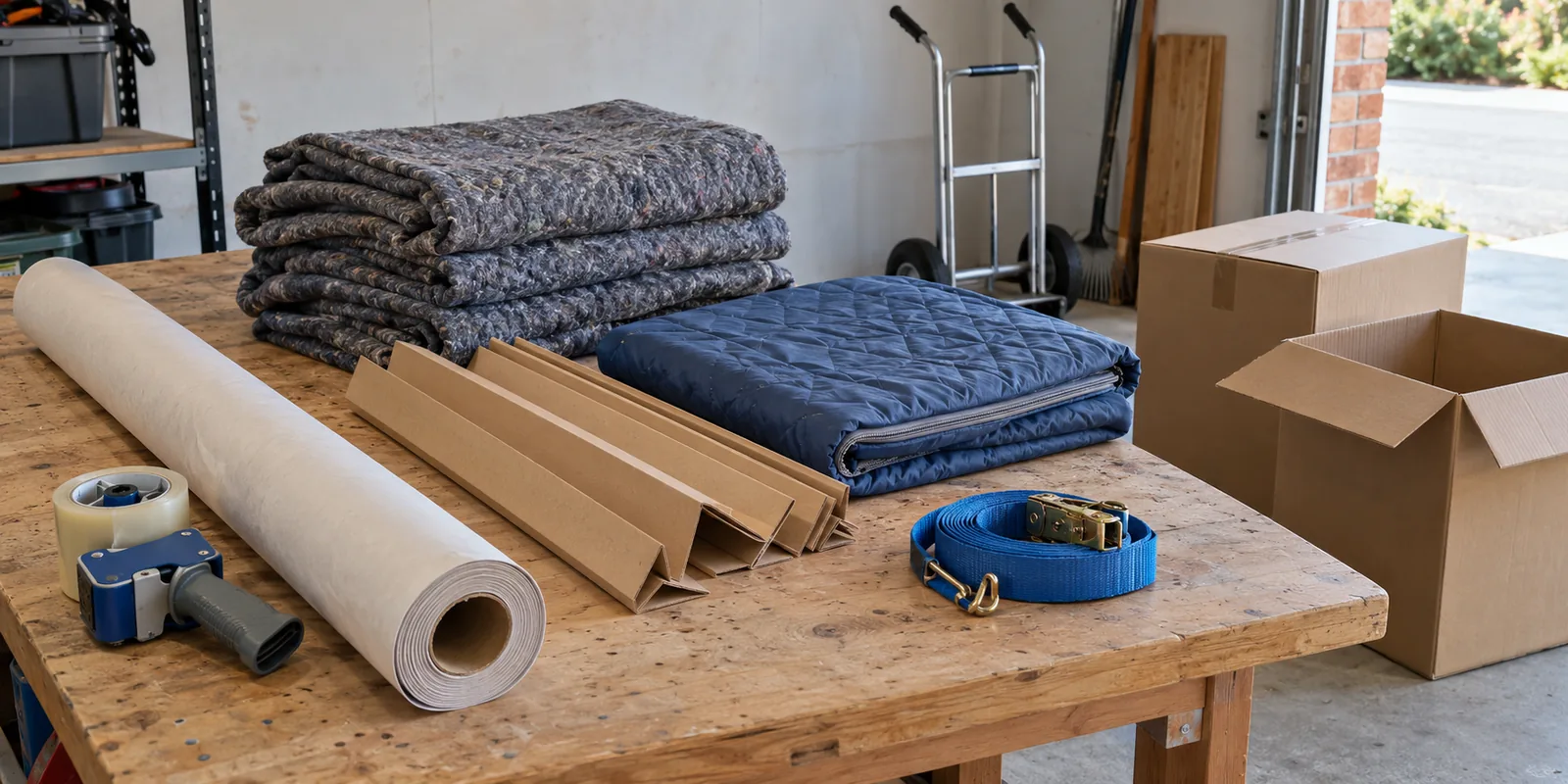
Organise the packing materials before the loading period
Ask which cartons, blankets, covers, trolleys and approved securing materials are supplied or available with the quoted service. Record quantities, hire or return requirements and any additional cost. Arrange the items you are providing in time to prepare the household.
AFRA's packing guidance covers room labels, manageable cartons and appliance preparation. Request IRCO packing help for the goods you want prepared professionally.
Have the goods dry, protected and easy to identify
Number cartons and label their destination rooms. Keep a matching inventory available while loading. Protect furniture surfaces and fragile items appropriately, and keep fittings from dismantled pieces in labelled bags with their matching item.
Follow the manufacturer's transport instructions for appliances, televisions and other equipment. Confirm who handles disconnection, draining or other preparation, and raise any need for packing assistance before the loading appointment.
Prepare clean, dry belongings and cartons, and ask the operator about moisture precautions for the booked equipment and journey. Include any weather-related loading concern in the plan. Keep items awaiting drying or preparation separate until the necessary work is complete.
Check uncertain or restricted goods before sealing cartons. IRCO's terms and conditions exclude plants from interstate removals and address dangerous goods. Explain garden equipment or unusual contents to the office so accepted goods and preparation are clear.
Keep cartons and blankets out of rain while preparing the load, and do not seal damp upholstery into wrapping. Allow appliances to drain and dry as their instructions require. Discuss the equipment’s moisture-management guidance before a longer journey or holding period; extra wrapping cannot make wet goods dry.
A practical loading checklist, with restraint planned first
Plan the order before heavy furniture goes in. Give the operator your inventory and discuss the unit’s load limits, heavier-item positions, permitted stacking and approved securing points. Prepare protection and suitable handling help, then load to the agreed method.
- Prepare the path: clear the route, organise handling equipment and identify the people or labour doing each task.
- Protect and identify: close sound cartons, label components and prepare fragile items for their required orientation.
- Support the load: place goods according to the plan, with heavier pieces supported and lighter or fragile goods protected from pressure.
- Restrain movement: use the specified points and compatible materials; a furniture blanket is surface protection, not a restraint.
- Review before closure: resolve unsupported goods or securing concerns and complete the required load photographs or inspection.
Avoid treating a wall fitting, door bar or improvised rope as an approved securing system. If you cannot position or secure an item to the operator’s method, stop and arrange help before collection. TVs and glass require their own protective packing; they should not depend on an improvised sandwich between soft furnishings.
The IMO/ILO/UNECE CTU Code provides general cargo-unit packing and securing guidance. Your booking still needs instructions for the actual equipment and household load. Keep travel essentials outside the unit, and put goods needed first where the agreed loading plan allows access during unloading.
Compare a container option against the move you need
Send IRCO the inventory, site photos, dates and loading help required. Identify the tasks you can do and the questions still unresolved. We can assess the container enquiry alongside household removals or suitable backloading so you can compare practical arrangements.
Check the handover details before the loaded unit is collected
On arrival of the equipment, follow the operator's inspection instructions. Look for visible damage, wet patches, debris or door problems and report concerns before loading. Keep the reference or unit identification with your booking. Confirm how closure, locking or sealing is handled and who retains the keys or relevant records.
Before collection, complete the required load review, agree any unresolved preparation question and have the necessary photographs or documents ready. Confirm the collection appointment, available access and named contact. Keep the inventory and agreed changes with the quote.
Leave the vehicle positioning area available at the booked time. If the site, access or weather conditions change, tell the office promptly. A collection that needs extra handling or a revised vehicle arrangement should be discussed before the operator arrives.
Give unloading the same plan as collection
Confirm the destination address, approved placement, receiving contact and unloading period before the container travels. Include the key date, property permission and any limits on the site. Give the operator updated photos if the receiving property differs from the original description.
Arrange the people and handling assistance needed to unload. Follow the operator's arrival, opening and restraint-release instructions, including what to do if goods appear to have shifted. Have a clear furniture path and destination-room plan ready before unloading begins.
Check the goods against the inventory and raise any visible concern promptly with the office. Confirm how packing equipment is returned and when the emptied unit is collected. Clear the required vehicle approach for that appointment as well.
If the new home is delayed, use the storage and redelivery planning guide to describe the gap. Ask about goods access, the holding period, notice for delivery and the complete charges for the revised arrangement.
Is self-pack cheaper? Compare the complete container move
Self-pack can reduce paid preparation and handling labour when you do that work yourself. Its useful price is the total that gets the goods to the receiving rooms, not the transport figure alone. Compare it with household removals or available backloading for the same inventory.
| Price component | What to establish |
|---|---|
| Placement and transport | Each site or depot stage, access assumptions and any extra delivery vehicle work. |
| Time allowed | When hire starts and ends, loading and unloading periods, extensions and empty collection. |
| Materials and labour | Included quantities, restraint equipment, returns and paid loading or unloading help. |
| Holding or changed plans | Storage, waiting, unsuccessful access, revised destination and final delivery. |
A small load can be poor value if it needs a full unit, several placement stages or extra labour. An apartment without an approved container site may suit furniture transport more readily. Use the IRCO written-quote comparison to keep equipment, responsibilities, GST treatment and changes clear.
Check insurance with an insurer for customer-packed goods and the handling, transport and holding stages you organise. Keep the inventory and condition records outside the unit. Choose the arrangement whose work, access and complete price you can realistically manage.
Prepare your self-pack container planning enquiry
Use the information you know and mark estimates or unconfirmed access clearly. Include the help you want quoted and questions to resolve about equipment, materials or loading. Build the summary and copy it into your IRCO quote enquiry.
Self-pack container access and loading questions
What does self-pack mean for a container move?
You prepare the goods and usually take responsibility for loading and unloading under the offered service. Packing cartons, moving heavy furniture and securing the load are distinct tasks. The quote should allocate each one and identify any paid assistance, placement and collection arrangements.
Is a self-pack container cheaper than removalists or backloading?
It can reduce paid labour if you perform that work, but compare the entire move. Add container placement, transport, hire days, materials, loading help, storage and empty collection. For selected items or a property without suitable container access, furniture transport or available backloading may offer a more practical total.
Should I request a 20-foot or 40-foot container?
A 20-foot unit is about six metres long and a 40-foot unit about twelve metres externally. Internal capacity varies with height, construction and modifications. Send the inventory and bulky-item dimensions, then obtain the usable capacity, doorway and weight limits of the equipment actually offered. Volume alone does not settle whether the load fits.
How much driveway space and clearance do I need?
The container footprint is only part of it. The delivery vehicle needs an approved approach and working area, with space for placement, door opening and loading. Send measurements and photos of gates, turns, slope, surface and overhead obstructions. Obtain requirements for the actual truck and placement method; one operator’s clearance figure is not universal.
Can a container sit on the road outside my home?
Road or public-land placement may require permission from the relevant authority, with conditions and charges. Check the proposed location with that authority and the operator before booking. Establish who obtains permission and ensure the position also works for vehicle access, doors and the furniture path.
How do I stop furniture moving inside the container?
Use the operator’s load plan, approved securing points and compatible restraint materials for the actual unit. Protection blankets cushion surfaces; they do not, by themselves, secure furniture. Arrange suitable help and resolve an unsupported item or unrestrained space before collection. The securing method must suit the load and equipment.
How can I reduce damp and condensation risks?
Load clean, fully dry goods and sound cartons, keep them out of rain and dry appliances as their instructions require. Do not seal damp upholstery or blankets into the load. Discuss moisture management with the operator for the unit and journey; extra wrapping or a moisture absorber cannot make wet goods suitable for packing.
Are cartons, blankets, trolleys and restraints included?
Only the equipment and quantities stated in the quote should be treated as supplied. Establish charges, hire periods and returns, then organise anything you are providing before loading. Obtain guidance on approved restraint equipment rather than substituting ordinary household rope for an unspecified securing system.
Does self-pack include loading or unloading help?
Not automatically. List the tasks you will do and the help you want quoted at each end. Heavy or awkward furniture, positioning the load and securing it may require additional assistance. Have people, equipment and an agreed method ready before the loading period starts.
How long can I keep the unit for loading and unloading?
Use the periods stated in the quote, including when hire starts and ends. Check extensions, weekend timing, empty collection and any waiting charge. A loading allowance from another provider does not establish the period for your booking.
How do I know it is ready for collection?
Complete the operator’s inspection and load-review requirements, resolve any concern and keep the inventory and required photos or records. Confirm closure, locking or sealing, who keeps keys and the unit reference. Leave the approved vehicle approach clear for the collection appointment.
Are customer-packed goods automatically insured?
No automatic cover should be assumed. Discuss customer packing, loading, transport and any storage with an insurer and read the policy’s conditions. IRCO’s published terms state it cannot offer general insurance products. Keep condition records and the inventory outside the container.
What must stay out of the container?
Keep medication, identity documents, keys, valuables and first-week essentials with you. Identify dangerous or uncertain contents before packing and check accepted goods against the booking terms. Garden equipment and interstate food or plant-related goods may also need specific preparation or entry checks.
What if the new property cannot take the container?
Raise the issue before the unit travels. An alternative loading location, holding stage or separately arranged final delivery may be needed. Obtain a revised plan with its handling, access and charges. A container that fits at pickup does not automatically fit the destination.
Can I request self-pack container removals to Tasmania or a rural address?
Give both actual postcodes, proposed loading locations and receiving access in the enquiry. Tasmania, rural areas and other regional destinations need the available route, transport stages and final placement assessed together. Confirm equipment, time allowed and any depot or additional handling arrangement for those addresses before committing to container hire.
Information sources and booking details
Updated . The general planning guidance draws on the sources below. Your IRCO quote and booking terms set out the service offered, responsibilities and charges. For a detail about your move, call 0417 918 451 or send an enquiry.
Ready to compare a container option for your household move?
Send Interstate Removalists Co the inventory, site access, dates and preparation needs. Ask for the container or removal arrangement that fits the actual goods and both properties.