How Interstate Freight Routes Work (Linehaul + Local Pickup/Delivery)
Most Australia wide freight transport runs in two stages: a local pickup (warehouse, supplier, site, or depot) and a linehaul leg
between major hubs. Once freight lands in the destination city, it’s either delivered locally (door-to-door freight service) or made available
for depot pickup (depot to depot freight). This is why timing can vary even on the same lane — pickup times, depot processing, and delivery
access rules can add or remove a full day.
Interstate Removalists Co keeps this simple by confirming the details that actually affect schedule: pickup readiness,
labels and paperwork, forklift availability (if needed), tail lift requirements, and whether your destination has strict timed windows.
If you’re unsure about the best delivery method, see our
tail lift freight delivery options
and
warehouse and depot freight pickups
pages for practical guidance.
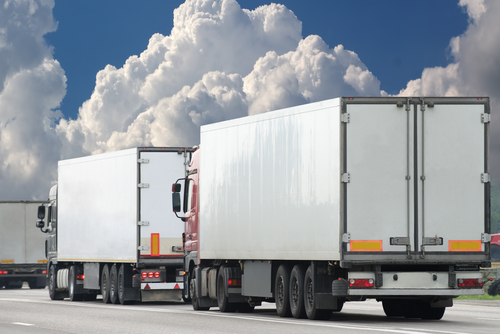
Hub-to-Hub Linehaul
Major lanes run between freight hubs for faster interstate movement and clearer scheduling.
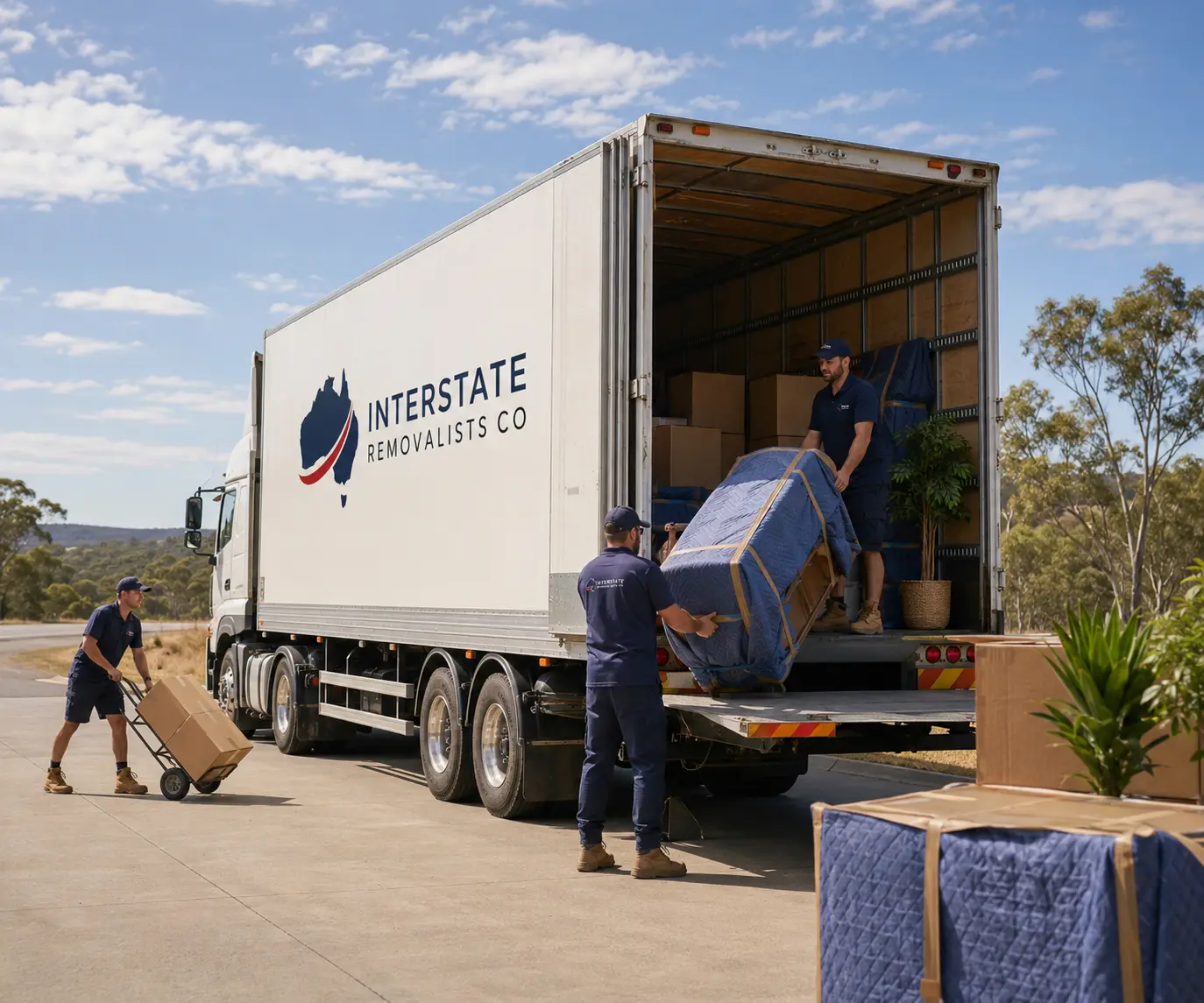
Pickup Requirements
Forklift, tail lift, access, labels and readiness all influence how quickly your freight can move.
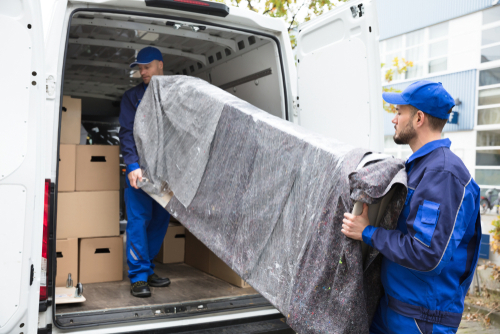
Delivery Windows
Commercial sites with booking systems can add time — we plan around it to reduce delays.
Major East Coast Freight Corridors (Brisbane, Gold Coast, Sydney, Newcastle, Melbourne)
The East Coast is Australia’s busiest freight spine and usually offers the best frequency for scheduled freight transport.
Common lanes include Brisbane ↔ Sydney, Sydney ↔ Melbourne, and Brisbane ↔ Melbourne, plus high-demand satellite routes into
Gold Coast, Sunshine Coast, Newcastle, Wollongong and Canberra (ACT). If your freight is time-sensitive, the best way to reduce delays is
to book early, have the freight ready for pickup, and confirm whether the destination requires a booked delivery slot.
Interstate Removalists Co supports pallet freight delivery, carton freight transport, and bulky freight transport on these lanes.
We can also advise whether a depot option is smarter for your job (often faster and cheaper for some receivers) or whether door-to-door delivery
is essential for your operation.
- Brisbane ↔ Sydney freight (plus Gold Coast and Sunshine Coast pickups/drops)
- Sydney ↔ Melbourne freight (including Canberra freight routing where applicable)
- Sydney ↔ Newcastle and Hunter Region deliveries for trade and business freight
- Brisbane ↔ Melbourne for commercial freight transport and stock movement
Queensland Northbound Lanes (Townsville, Mackay, Rockhampton, Cairns & Far North QLD)
Northbound Queensland freight often runs on scheduled lanes through the key coastal and regional centres — think Brisbane to
Rockhampton, Mackay, Townsville, and Cairns (and broader Far North Queensland). Transit times on these routes can vary more than
metro lanes due to distance, regional handovers, and delivery geography. If you’re shipping to job sites, regional warehouses,
or commercial addresses with limited access, planning your delivery method matters even more.
If your receiver doesn’t have a forklift or you’re delivering cartons or bulky stock to a site, check whether you need
tail lift freight delivery options.
If pickup is from a depot, industrial estate, or warehouse bay, our
warehouse and depot freight pickups
page helps you set the job up properly.
NSW & ACT Routing (Sydney, Newcastle, Central Coast, Wollongong, Canberra)
NSW deliveries often look “close on the map” but still hinge on access and booking systems. Sydney CBD and inner commercial zones can require
strict dock and lift booking windows; Newcastle freight can be fast but depends on pickup cut-offs; Wollongong and the Central Coast often run
smoothly if the freight is ready and delivery access is clear. Canberra freight (ACT) can be metro-style for commercial sites, but timing still
depends on delivery windows, security check-in, and site requirements.
If you want the cleanest outcome, include delivery constraints in your quote request from day one. Start here:
Request a freight quote.
Victoria & Southbound Lanes (Melbourne, Geelong and Beyond)
Melbourne is a major freight hub and typically provides strong availability for interstate lanes from Sydney, Canberra, Brisbane and Adelaide.
If your freight is heading into metro Melbourne, Geelong, or nearby commercial zones, door-to-door delivery is often straightforward — unless
the site has strict time windows, no loading area, or requires a tail lift for unloading. For warehouse deliveries, dock scheduling can be the
main constraint, so early planning reduces delays.
Not sure which service is the best fit — freight vs furniture delivery? If the job is mostly office furniture into a building, our
office furniture delivery and placement page is a better match.
If it’s pallets, cartons and bulky stock, stick with
freight transport services.
Indicative Transit Windows (Typical Business-Day Ranges)
These are general guide ranges only — exact timing depends on lane availability, pickup cut-off, depot handovers, regional delivery distance,
and whether your receiver requires a booked delivery window. For the most accurate timeline, request an express freight quote with your
pickup and delivery details.
| Corridor |
Typical Transit Window |
Notes |
| Brisbane ↔ Gold Coast / Sunshine Coast |
Same day – 2 business days |
Access windows and site unloading usually matter most. |
| Brisbane ↔ Sydney |
1 – 4 business days |
CBD deliveries may require booked docks/lifts. |
| Sydney ↔ Melbourne |
1 – 4 business days |
Metro-to-metro typically faster than regional drops. |
| Brisbane ↔ Melbourne |
2 – 6 business days |
Volume and scheduling can affect frequency. |
| Brisbane ↔ Townsville / Cairns (Far North QLD) |
3 – 9 business days |
Regional geography and delivery method affect timing. |
| Sydney ↔ Canberra (ACT) |
1 – 3 business days |
Time windows and security sign-in can add delays. |
How to Reduce Delays (Simple Steps That Make a Big Difference)
Most delays in freight pickup and delivery are preventable. The fastest jobs are the ones where the freight is ready, labelled,
accessible, and matched to the correct delivery method. If your freight is loose cartons, palletise where possible. If it’s bulky or awkward,
confirm unloading capability. If the delivery site has a booking system, lock it in early. And if you need protection or packing support, use
Packing / protection options to avoid damaged goods and re-delivery headaches.
- Have freight ready and labelled before pickup (addresses + reference numbers help).
- Confirm forklift or tail lift needs early (don’t assume the site can unload).
- Book delivery windows for commercial sites with docks/lifts/security requirements.
- Choose the right method: depot, warehouse, or door-to-door freight service.
Get a Freight Quote With Clear Timing (Interstate Removalists Co)
If you’re shipping pallets, cartons, or bulky commercial goods and you want a clear plan, Interstate Removalists Co makes it easy.
Send your pickup suburb, delivery suburb, freight type (pallets/cartons/bulky), approximate dimensions/weight, and any delivery constraints
(forklift/tail lift, dock bookings, timed windows). We’ll quote with the right delivery method and realistic scheduling — so you can plan stock runs,
project deliveries, and customer commitments with confidence.
Start here: Request a freight quote.
For service scope and freight types, visit
freight transport services.